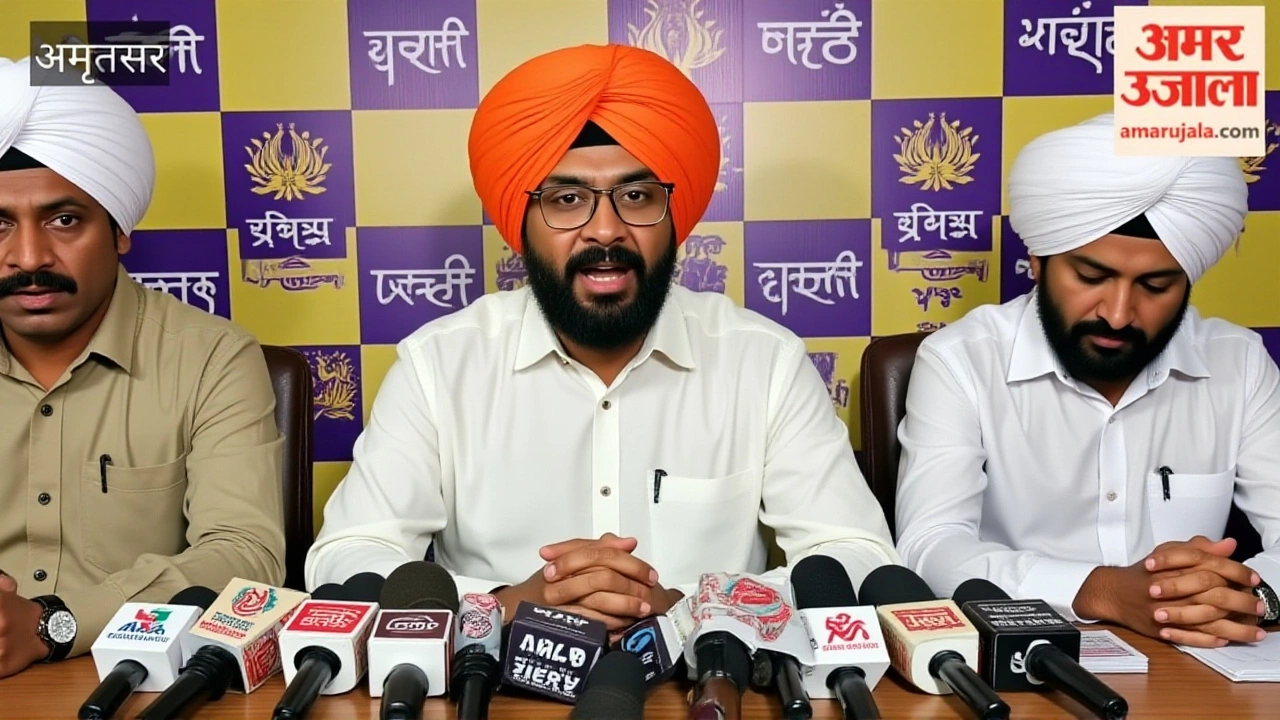
When Hardeep Singh Puri, Union Petroleum and Natural Gas Minister of Government of India, took the stage at the CII Annual Business Summit 2026New Delhi on May 12, 2026, he delivered a message that sent ripples through the political arena. The government has officially stated that while there is no shortage of fuel in the country, consumers should brace themselves for potential price hikes in the near future.
Here’s the thing: the minister didn’t mince words. He confirmed that India holds sufficient stocks of crude oil, liquefied natural gas (LNG), and LPG to handle any emergency. But wait—he also admitted that rising losses for Oil Marketing Companies (OMCs) could force retail prices up soon. This isn’t just about economics; it’s becoming a heated political battleground between the ruling Bharatiya Janata Party (BJP) and opposition parties like the Congress and Aam Aadmi Party (AAP).
The Supply Reality Check
Puri’s address aimed to calm fears of a fuel crisis. He presented hard data to back up his claims. Currently, India maintains a strategic reserve equivalent to 60 days of crude oil consumption and 60 days of LNG. For household cooking gas, the buffer stands at 45 days’ worth of LPG stock. These numbers are designed to reassure the public that a ‘dry out’ scenario—where pumps run empty—is not on the horizon.
The twist is in the production figures. Puri highlighted a significant boost in domestic LPG production. It has jumped from approximately 35,000 tonnes to between 55,000 and 56,000 tonnes. That’s an increase of roughly 20,000 to 21,000 tonnes, a move intended to meet both household and commercial demand without relying entirely on imports. "There is no shortage," Puri stated clearly. "The reserves are adequate to face any contingency."
The Looming Price Hike
But supply stability doesn’t mean price stability. Puri addressed the elephant in the room: why might prices go up? The answer lies in the balance sheets of state-owned OMCs. These companies have been operating at a loss due to global market pressures and domestic subsidy burdens. Puri was blunt about the implications.
"I am not saying prices won’t rise," he told the audience. "I am just saying that prices and elections are not related." This statement directly countered opposition narratives suggesting the government had artificially suppressed fuel prices to win recent state assembly elections. By decoupling economic policy from electoral cycles, Puri signaled that market forces—not political expediency—would dictate future pricing. If OMC losses continue to mount, the financial burden will likely shift to the consumer at the pump.
Political Backlash Intensifies
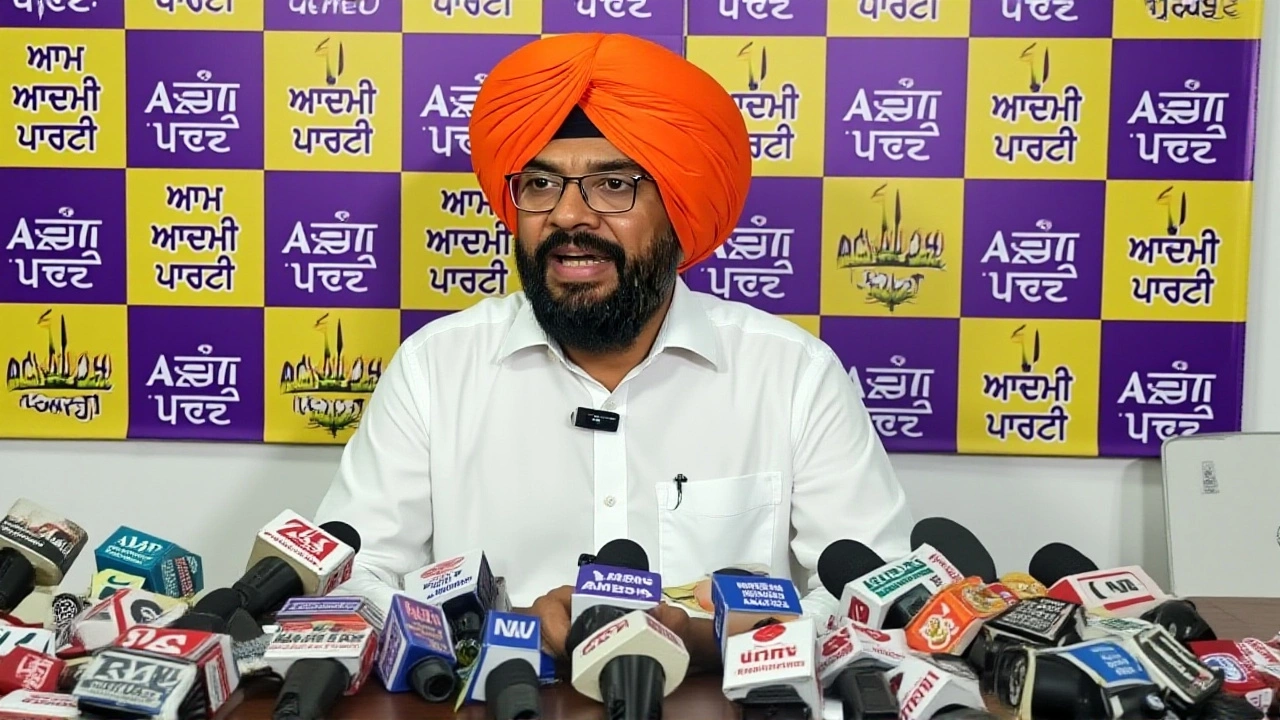
The reaction from the opposition was swift and sharp. Amarinder Singh Raja Warring, President of the Congress Party in Punjab, seized on the issue to attack the central government’s economic record. He labeled the fuel price hikes as the "true economic reality" under Prime Minister Narendra Modi’s leadership. For Warring, this wasn’t just a policy disagreement; it was evidence of systemic failure in managing inflation.
Meanwhile, within the ruling party, voices sought to contextualize the situation. Dilip Ghosh, a Bharatiya Janata Party leader from West Bengal, defended the government’s stance. He argued that blaming New Delhi for rising costs ignored the broader global context. "The world has been facing global conflicts and energy crises for years," Ghosh noted, pointing to international instability as the primary driver of volatility. His argument suggests that India is merely reacting to external shocks rather than creating them.
Adding to the chorus, Rohit Pawar, associated with the Nationalist Congress Party (NCP) via social media tags, described the situation as "dangerous conditions." While details of his full statement remain sparse, the use of such strong language indicates growing anxiety among regional leaders about the impact on their constituents.
What This Means for Consumers
For the average Indian citizen, the debate is less about geopolitical nuances and more about the cost of living. A hike in petrol and diesel prices affects everything from daily commutes to the cost of transporting vegetables and goods. With LPG production increased but global crude prices remaining volatile, the next few months will be critical.
Experts suggest that if the government chooses to absorb some of the OMC losses through subsidies, it could strain the fiscal budget. If they pass the costs to consumers, inflation may tick upward. The decision rests on balancing economic health with political viability—a tightrope walk that Puri’s comments suggest the government is preparing to take.
Frequently Asked Questions
Is there currently a fuel shortage in India?
No, the government confirms there is no shortage. India holds strategic reserves equivalent to 60 days of crude oil and LNG, plus 45 days of LPG. Domestic LPG production has also increased significantly to meet demand.
Why might fuel prices increase soon?
Oil Marketing Companies (OMCs) are facing rising losses due to global market pressures. Minister Hardeep Singh Puri indicated that these financial strains could lead to higher retail prices for petrol, diesel, and gas, independent of election cycles.
Did the government keep prices low to win elections?
Minister Puri explicitly denied this link, stating that "prices and elections are not related." However, opposition leaders like Amarinder Singh argue that the current hikes reveal the true economic impact of government policies previously masked by suppressed prices.
How has LPG production changed recently?
Domestic LPG production has surged from approximately 35,000 tonnes to between 55,000 and 56,000 tonnes. This increase of over 20,000 tonnes aims to reduce reliance on imports and ensure stable supply for households and businesses.