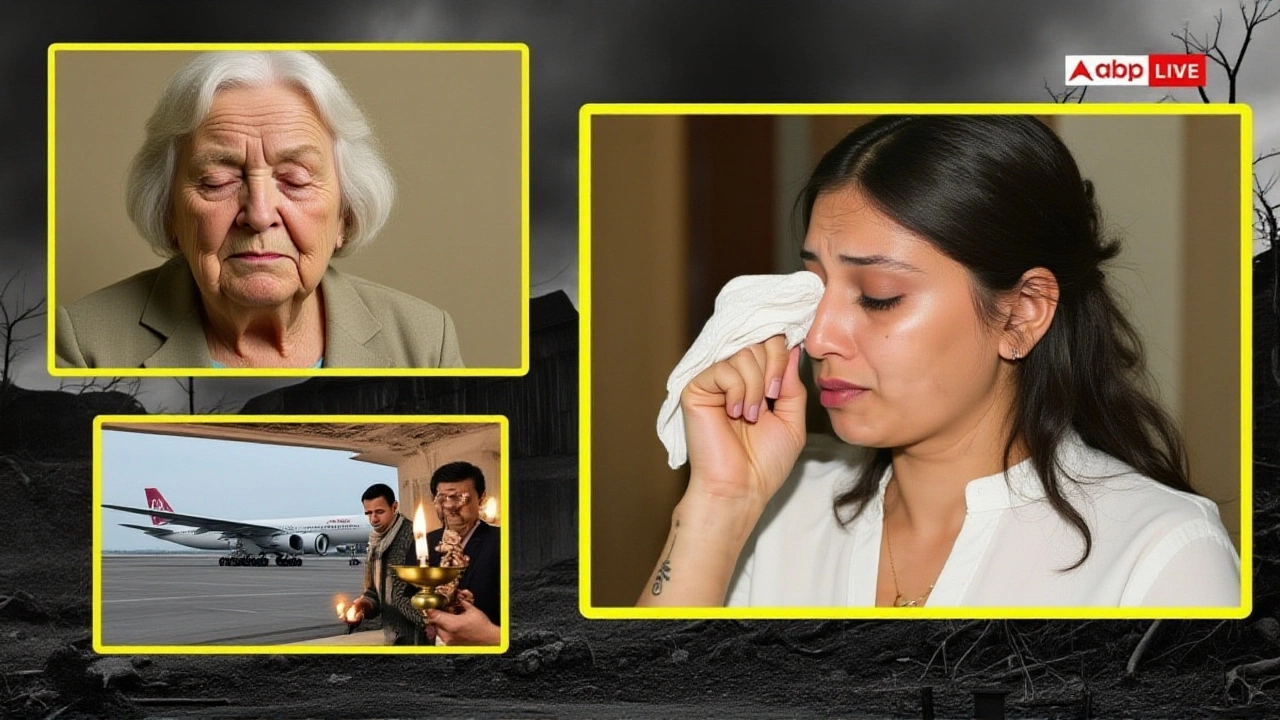
It’s been exactly one year since the sky over Ahmedabad turned into a scene of unimaginable chaos. On June 12, 2025, Air India Flight AI171 crashed shortly after takeoff, killing 260 people in what remains one of the deadliest aviation disasters in recent history. Today, on the first anniversary, families, friends, and aviation professionals gathered in Mumbai and Ahmedabad to pay their respects, sharing tearful memories of the 12 crew members who never made it home.
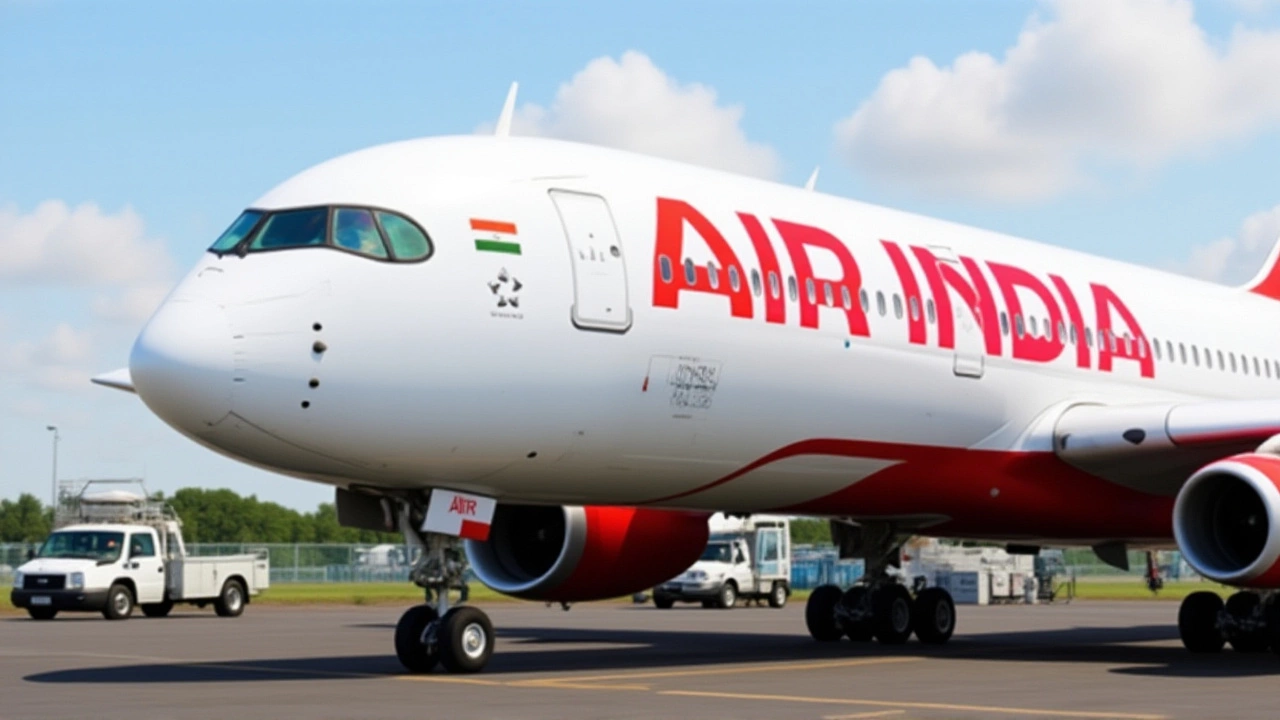
The tragedy didn’t just shatter lives; it shook the entire nation. The flight, bound for London, was operated by a Boeing 787-8 Dreamliner. Reports indicate that while only one passenger survived the impact, every single member of the 12-person crew perished. The numbers are staggering—and oddly inconsistent across early reports—but the final death toll stands at 260, including 19 people on the ground. It’s a statistic that feels too large to comprehend, yet it represents real families, real stories, and a void that hasn’t filled in 365 days.
A Nation Remembers
The mood in Mumbai on June 12, 2026, was somber. A memorial service brought together grieving relatives, colleagues from the aviation community, and strangers united by loss. Photos, candles, and flowers lined the venue as attendees shared anecdotes about the pilots and cabin crew. One friend described a pilot’s calm demeanor during turbulence years ago—a small memory now magnified by grief.
But here’s the thing: the pain isn’t confined to the families. For Gujarat Police Director General Gyanendra Singh Malik, the day is still fresh in his mind. In a recent interview, he called it the “most horrific incident” of his career. He recalled the sheer scale of the rescue operation, involving police, fire departments, and the National Disaster Response Force (NDRF). “The images from that day still haunt me,” Malik said, his voice cracking slightly. The logistical nightmare of securing the site, managing communications, and identifying victims tested the limits of state emergency response systems.
The Black Box Mystery
While emotions run high, the technical investigation has been grinding along. The Aircraft Accident Investigation Bureau (AAIB) has spent the last year decoding the black box data. This isn’t just about listening to cockpit conversations; it involves analyzing thousands of digital parameters recorded by the Flight Data Recorder (FDR) and Cockpit Voice Recorder (CVR).
Turns out, modern aviation accidents rarely have a single cause. Experts often refer to the “Swiss Cheese Model,” where multiple layers of safety fail simultaneously. In this case, investigators are looking at several potential factors:
- Poor weather conditions at the time of takeoff
- Possible confusion or delays in Air Traffic Control (ATC) instructions
- Synchronization issues with the aircraft’s auto-throttle system
None of these have been officially confirmed as the sole cause. The details are still unclear, and the final report remains unpublished. For the families, this delay is agonizing. They want answers, not just condolences. “How could this happen in an era of advanced aviation safety?” asked one relative, echoing a sentiment heard across social media platforms.
Criticism and Calls for Transparency
The lack of an official national memorial has drawn sharp criticism. Social activist and writer Gaurav Sampat Singh pointed out the irony: while tributes flowed online and in private gatherings, there was no formal state-led ceremony. “It’s shameful,” he wrote on Facebook, questioning whether institutions are truly learning from this tragedy. His post sparked widespread debate, with many agreeing that transparency and accountability are missing.
Rumors have also swirled on social media about a “sensational new lead” in the probe. However, no credible source has verified these claims. The AAIB continues its work behind closed doors, relying on simulations and data analysis to reconstruct those final seconds of the flight. The public waits, hoping for clarity rather than speculation.

What’s Next?
The investigation is far from over. The AAIB is expected to release its preliminary findings soon, though a final report may take months more. Meanwhile, the aviation industry is reviewing protocols for similar scenarios. For the survivors and families, life goes on—but the scar remains. As one survivor noted, “I’m alive, but I carry everyone else with me.”
Frequently Asked Questions
What caused the Air India Flight AI171 crash?
The exact cause is still under investigation by the Aircraft Accident Investigation Bureau (AAIB). Potential factors include poor weather, air traffic control communication issues, and technical glitches with the auto-throttle system. No official conclusion has been released yet.
How many people died in the crash?
A total of 260 people died, including all 12 crew members and most passengers. Only one passenger survived the initial impact. Additionally, 19 people on the ground were killed when the plane crashed.
Why hasn't the final investigation report been released?
Decoding black box data and analyzing complex flight parameters takes time. The AAIB is meticulously reviewing audio clips and digital records to ensure accuracy. Preliminary findings are expected soon, but a comprehensive final report may take longer.
Who is Gyanendra Singh Malik?
Gyanendra Singh Malik is the Director General of Police (DGP) for Gujarat. He oversaw the immediate rescue and security operations at the crash site and has publicly described the incident as the most horrific event of his career.